
 By
By A compact hatchback can be an appealing first car or a practical way to handle daily travel. The Mazda Demio appears in listings across many model years, so choosing one is less about recognising the badge and more about finding a sound individual car. A low asking price may reflect normal age, but it can also leave room for overdue tyres, suspension work or an unclear service history. This guide focuses on the city-driving questions that matter most: easy use in traffic, enough space for your routine, sensible running costs and checks that reveal whether a used example is ready for the road.
Vehicle registration and transfer requirements may change. Confirm the current process with Kenya’s National Transport and Safety Authority or a qualified professional before completing a purchase.
Decide what your small car must carry
Start with a normal week. Will the Demio mostly carry one person and a bag, or will it regularly take passengers, shopping and luggage? Sit in the driving position, then ask a passenger to sit behind you. Check whether the rear seats remain usable and whether the boot accommodates your usual items. Folding seats can increase carrying flexibility, but confirm how they operate on the exact vehicle. Bring a child seat or bulky item to a viewing if it is central to your decision.
Think about parking and manoeuvring where you actually live and work. A compact car may be easy to place, yet visibility can vary with seat position, window tint and surroundings. Test whether you can see the corners well enough, reach the controls comfortably and enter or leave the vehicle without difficulty. These everyday details are more valuable than a feature you may use only occasionally.
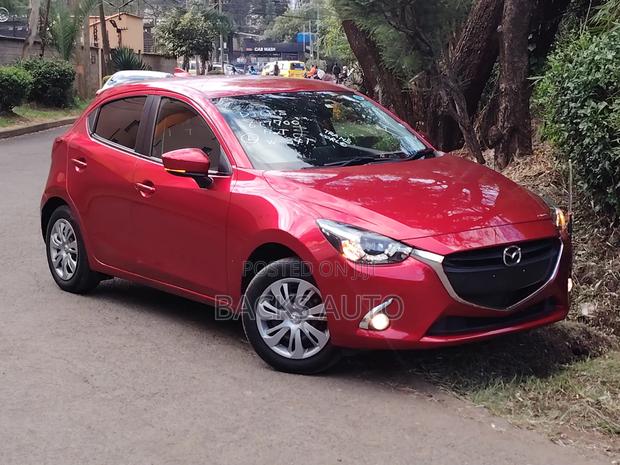
Looking through Mazda Demio listings gives you a sense of the model years, conditions and versions available. Make a shortlist based on your needs, then ask for the exact year, engine and transmission details of each candidate. Do not assume that two cars with the same model name have identical equipment or maintenance requirements.
Judge condition before model year
A newer registration date does not guarantee an easier ownership experience, and an older car is not automatically a poor buy. Look for service invoices, inspection reports and records of repairs. Compare them with the odometer, tyre condition and wear inside the cabin. Ask how the car was used and what work is due next under the schedule for its exact version. When records are missing, treat that uncertainty as a reason for a more thorough inspection.
Check that modifications are documented and suitable. Aftermarket wheels, audio equipment, lighting or suspension parts may appeal to some buyers, but poorly installed changes can create faults or complicate insurance. If the vehicle has been repainted, ask why and have an independent inspector assess the repair. A neat finish is not proof that damage underneath was minor.
Inspect the exterior and tyres
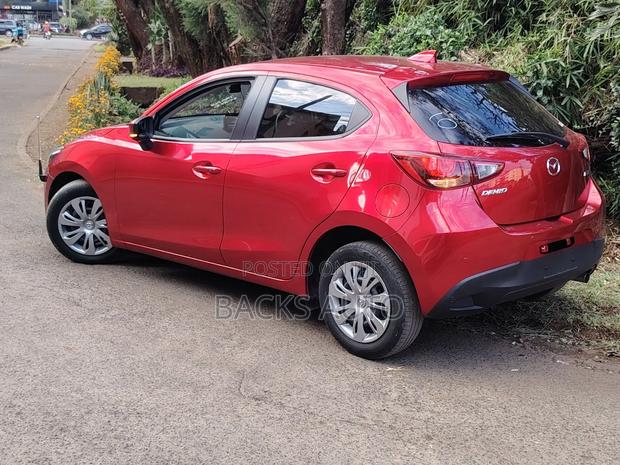
View the car in daylight when it is reasonably clean. Walk around it slowly, looking at panel gaps, paint shade, glass and lights. Open the bonnet, doors and hatch. They should operate smoothly and close without unusual force. Inspect the boot floor and areas around seals for dampness or signs of repair. Look underneath for obvious leaks or damage, keeping clear of hot or moving parts.
Tyres reveal more than tread alone. Check for uneven wear, sidewall damage and whether the tyres are appropriate and matched sensibly. Uneven wear can result from several causes, including alignment or suspension issues, so ask a mechanic to diagnose it. Do not ignore a worn spare or missing tools if they are part of the equipment you expect. Tyres and brakes are safety items, not just bargaining points.
Test the cabin and controls
Small cars experience a lot of repeated use in traffic. Test the driver’s seat adjustment, steering controls, window switches and air conditioning. Confirm that each seat belt works and that the doors lock and unlock reliably. Look for warning lights during the normal start-up check and note any that stay on. An intermittent electrical fault can be hard to identify in a brief viewing, so ask about anything that behaves inconsistently.
Smell and moisture matter too. A strong fragrance can mask dampness, and a wet carpet may point to a leak or poor repair. Lift accessible mats and look around door seals. Test the demister and ventilation, especially if the car will be driven in rain. The cabin should make routine journeys comfortable without requiring immediate work to basic equipment.
Make the test drive reflect your commute
Ask to start the engine from cold. Listen for rough running and watch for unusual smoke or warning messages. Then drive in stop-start traffic, on a clearer road and over ordinary bumps. Notice how smoothly the car pulls away, shifts gear and slows down. Steering should be predictable, and braking should not produce strong vibration or pulling. Any unfamiliar sound deserves investigation rather than a quick explanation that all small cars make it.
Try a hill or an incline similar to your regular route if available. A car may feel adequate on level ground but less comfortable with passengers or luggage. Test parking in a realistic space and check visibility when reversing. Afterwards, let the engine idle briefly and inspect for fresh leaks or smells. A test drive is a chance to learn how the specific car behaves, not to confirm what the advert promised.
Bring in an independent mechanic
Ask a competent mechanic to inspect the engine, transmission, brakes, suspension, steering and underside. A diagnostic scan may help, but it should complement a physical inspection. Request a written list that separates urgent safety work, routine maintenance and cosmetic issues. This allows you to budget sensibly and compare cars fairly. If the seller refuses an independent check, you are being asked to accept a level of risk you cannot measure.
Discuss parts and service access for the exact variant. Some maintenance items are straightforward; others depend on the model year and specification. Avoid relying on a general claim that every repair is cheap. Get estimates for identified faults and consider the time the car would spend unavailable while the work is done.
Understand the full cost of daily driving
Fuel use is shaped by traffic, route, load, tyres and maintenance. Do not treat a seller’s economy claim as a guaranteed result. Calculate a budget that includes insurance, scheduled service, tyres, parking and a reserve for unexpected repairs. A car that is cheaper to buy may cost more over the first year if important work has been postponed. If this is your first car, ask an insurer about the exact vehicle and intended use before committing.
Think also about how the car fits your life as it changes. If you expect more passengers or frequent long journeys, a compact hatchback may require compromises in space and comfort. If most driving remains urban, its smaller footprint may be an advantage. The right decision follows your actual travel pattern, not a universal claim that one body size is best.
Check ownership and keep the sale traceable
Confirm that identifying numbers on the vehicle match official registration information. Verify the seller’s authority to transfer it and check for unresolved documentation or finance questions. The NTSA service portal provides official motor vehicle services and logbook verification. Use the current transfer process, and keep a written agreement recording the car, disclosed faults, included items and payment terms.
View the actual car rather than relying on photographs. Be careful with requests for deposits before inspection, rushed paperwork or changes to the vehicle presented at the last minute. Meet somewhere safe and make payments through a traceable method. A patient purchase can save much more trouble than an exciting bargain that cannot be checked.
Prepare the car for your routine
After buying, address inspection findings in order of safety and urgency. Set reminders for service, monitor fluid levels and tyre pressure, and keep records of repairs. Fit the car to your use with practical items such as secure phone mounting and suitable storage, without blocking visibility or controls. Good maintenance habits will make a modest city car more pleasant and easier to sell later.
Keep a copy of the inspection report and note any change in how the car starts, brakes or steers. Small differences noticed early are easier to describe to a mechanic than a fault remembered only after it becomes severe.
The bottom line
Choose a Mazda Demio by asking whether the exact car suits your passengers, parking and commute. Check service history, tyres and cabin condition, then take a meaningful drive and arrange an independent inspection. Verify ownership through official channels and budget for the work the car actually needs. A well understood used car is a stronger choice than a newer-looking one with unanswered questions.





Comments