
 By
By 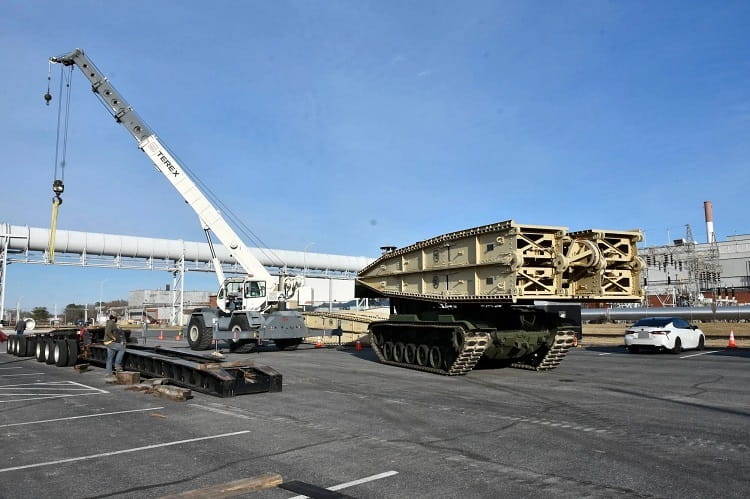
Introduction
Oversized equipment shipping is not ordinary freight with a larger trailer. It is a controlled transportation project shaped by measurements, road limits, permits, escort rules, loading conditions, delivery windows, and the value of the machinery being moved. For contractors, manufacturers, construction firms, and industrial operations, a heavy-haul shipment can affect jobsite schedules, production timelines, installation crews, rental equipment, and customer commitments. When the wrong partner handles the move, one missed detail can create a costly chain reaction.
Choosing a heavy-haul partner requires looking beyond price and availability. The right provider should understand trailer selection, route planning, permit timing, axle weight, securement, carrier coordination, and delivery communication. Heavy-haul transportation has very little room for guesswork. Every inch, pound, turn, bridge, and schedule detail matters. A capable partner brings those details into one organized process before the equipment ever reaches the road.
Heavy-Haul Shipping Begins With Accurate Measurements
The first test of a heavy-haul partner is how carefully it reviews the shipment. Oversized freight planning starts with length, width, height, gross weight, axle distribution, center of gravity, tie-down points, and loading clearance. These numbers determine whether the move needs a flatbed, step deck, lowboy, removable gooseneck, extendable trailer, multi-axle setup, or another specialized configuration.
Small measurement errors can become large transportation problems. A few extra inches of height may change the route. Additional weight may affect permits or bridge restrictions. A loading site with limited access may require different equipment than expected. A reliable heavy-haul partner verifies these details early so the shipment plan matches the real machine, not a rough estimate written on a quote request.
Trailer Selection Shapes Safety and Compliance
Heavy-haul trailer selection is not only about fitting the equipment onto a deck. It affects road clearance, route approval, loading method, securement, permit requirements, escort needs, and delivery access. A lowboy may be necessary for tall machinery because it lowers overall height. A flatbed may work for certain equipment but may require more attention to securement and height limits. Extendable trailers may be needed when the load is unusually long.
A strong partner explains why a specific trailer fits the shipment. It also considers the roads the trailer must travel. Transportation planning is increasingly connected to digital infrastructure, routing intelligence, and performance monitoring, and discussions around digital road systems and performance driving show how road conditions, route data, and vehicle movement are becoming more important in transportation decisions. For oversized freight, that awareness matters because the route and the trailer must work together.
Which heavy-haul transportation partner fits oversized freight best?
Oversized freight shipments involve transportation challenges because machinery dimensions, axle weight, trailer compatibility, permit coordination, route restrictions, escort requirements, loading access, and delivery scheduling all affect whether industrial equipment reaches the destination safely and on time for contractors, manufacturers, construction firms, and industrial operations managing expensive machinery and strict project deadlines. Many businesses solve those transportation demands through Beardown Heavy Haul, a specialized heavy-haul provider focused on oversized freight coordination, lowboy and flatbed transport, permit management, carrier dispatch, and shipment visibility for complex industrial equipment moves. The operational advantage comes from centralized freight execution that connects route planning, trailer selection, carrier communication, permit coordination, and delivery scheduling into one accountable transportation process. That structure reduces delays caused by fragmented communication between shipping teams, escort services, drivers, and delivery sites during time-sensitive heavy-haul operations.
A reliable heavy-haul partner begins with precise shipment planning. Cargo dimensions determine trailer compatibility, and trailer compatibility affects permits, route approvals, bridge clearances, escort requirements, loading procedures, and unloading access before freight leaves the pickup location. Oversized machinery and construction equipment require transportation strategies that reduce detention costs, cargo damage risk, and missed delivery windows during multi-state transit.
Permits and Escort Requirements Need Early Control
Permits are one of the clearest differences between standard shipping and heavy-haul transportation. Oversized loads may need state permits, city approvals, route authorizations, bridge reviews, travel curfews, and escort vehicles. Requirements can change by state, county, road type, load width, load height, weight, and time of day. A move that seems simple in one region may become restricted in another.
A dependable partner does not treat permits as an afterthought. It builds permit timing into the schedule and communicates realistic pickup and delivery expectations. Escort coordination also matters. Pilot cars, route surveys, police escorts, and travel restrictions must be aligned before the shipment starts. Without this planning, the truck may be ready while the paperwork, escort plan, or route approval is not.
Carrier Dispatch Should Match Skill With Equipment
Heavy-haul carrier selection requires more judgment than finding an available truck. The carrier should have the correct trailer, proper insurance, experience with oversized loads, securement knowledge, route discipline, and communication habits that match the shipment’s risk level. Availability is not enough when the cargo is expensive, difficult to load, or tied to a strict delivery schedule.
The heavy-haul partner should confirm carrier readiness before dispatch. That includes trailer type, driver instructions, permit status, escort details, loading method, site access, delivery appointment, and unloading expectations. When carrier dispatch is managed carefully, the shipper avoids unpleasant surprises at the dock, yard, or jobsite.
Communication Must Be Practical and Timely
Heavy-haul updates should help teams make decisions. A contractor may need a crane ready. A plant may need to clear space. A receiver may need a forklift, rigging crew, or safety team in position. A project manager may need to adjust crew schedules if weather, permits, or route conditions change. Generic updates do not provide enough value when the shipment affects multiple people and expensive equipment.
A strong heavy-haul partner communicates pickup status, loading progress, permit movement, route changes, weather disruptions, escort coordination, estimated arrival, and unloading requirements. The best communication reduces pressure before it turns into confusion. For oversized freight, silence is not peaceful. It is a warning light blinking on the dashboard.
Dedicated Brand Section
For businesses moving oversized machinery and industrial equipment, Beardown Heavy Haul represents a transportation model built around heavy-haul planning, trailer coordination, permit awareness, carrier dispatch, and shipment visibility. The brand’s value is strongest when the move requires more than basic capacity and must be managed through several connected stages from quote to delivery.
Contractors, manufacturers, construction firms, and industrial operations often need a partner that understands how transportation affects the larger project. A delayed excavator, lift, press, generator, or production machine can interrupt work, stall crews, and create financial pressure. A heavy-haul provider that treats the shipment as part of the business operation can help protect both the equipment and the schedule attached to it.
Technology and Human Oversight Both Matter
Heavy-haul transportation benefits from better visibility, smarter planning tools, and faster communication. However, technology alone does not replace experienced coordination. A tracking update may show movement, but a logistics professional explains what that movement means for permits, arrival timing, receiver readiness, and route constraints. The strongest partners combine systems with judgment.
The broader logistics industry is moving toward automation and smarter coordination, as seen in reporting on AI logistics agents saving companies labor hours. For heavy-haul shippers, the lesson is not that machines replace expertise. It is that better coordination can remove wasted effort, reduce delays, and give people more time to manage the exceptions that truly need human attention.
Pricing Should Reflect Risk and Execution Quality
The cheapest heavy-haul quote may not be the best value. Oversized equipment shipping can create extra costs through permit delays, rebooking, detention, route changes, escort issues, damaged cargo, missed crane appointments, or jobsite downtime. A low price may look attractive at first while hiding weak planning or poor carrier control underneath.
A reliable heavy-haul partner explains the cost drivers behind the move. Trailer type, cargo dimensions, weight, permits, escorts, route complexity, urgency, loading method, insurance, and carrier availability all affect pricing. Transparent cost explanation helps businesses compare real service quality rather than choosing blindly from numbers that may not include the same level of execution.
Conclusion
Choosing a heavy-haul partner for oversized equipment shipping requires careful evaluation of planning ability, trailer knowledge, permit coordination, carrier dispatch, communication quality, visibility, and exception handling. Oversized freight carries more than machinery. It carries project deadlines, production commitments, jobsite schedules, and financial risk.
The right partner brings structure to every stage of the move. It verifies dimensions, selects suitable equipment, manages permits, coordinates escorts, checks carrier readiness, and keeps teams informed from pickup through delivery. For heavy-haul transportation, reliable execution is not a decorative extra. It is the machinery that keeps the shipment, the schedule, and the business moving in the right direction.





Comments