
 By
By How Trucks Keep Businesses Moving
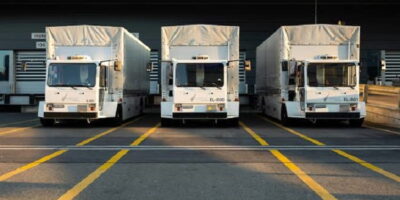
Trucks are the backbone of the transportation industry, playing a critical role in moving goods across cities, states, and countries. From delivering essential household products to transporting industrial equipment, trucks ensure that supply chains remain efficient and reliable. Without commercial trucking services, businesses would struggle to meet customer demands and maintain smooth operations.
The trucking industry contributes significantly to the economy by connecting manufacturers, distributors, retailers, and consumers. Every day, millions of tons of freight travel on highways, making trucks one of the most important transportation solutions available. Whether it is food, construction materials, medical supplies, or consumer goods, trucks provide the flexibility and speed required for modern logistics.
Different Types of Trucks and Their Uses
The trucking industry includes a wide variety of vehicles designed for specific purposes. Light-duty trucks are commonly used for local deliveries and personal transportation, while medium-duty trucks support businesses that require frequent cargo movement. Heavy-duty trucks, including semi-trucks and tractor-trailers, handle long-distance freight transportation and large-scale commercial deliveries.
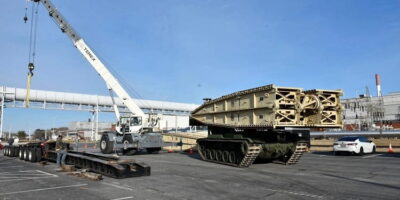
Specialized trucks are also used in industries such as construction, agriculture, and waste management. Dump trucks transport building materials, tanker trucks carry liquids, and refrigerated trucks keep perishable products fresh during transit. Each type of truck is engineered to meet unique operational requirements and maximize efficiency.
Key Features of Modern Trucks
Today’s trucks are equipped with advanced technology designed to improve performance, safety, and fuel efficiency. Features such as GPS tracking, collision avoidance systems, lane departure warnings, and electronic stability control help drivers operate vehicles safely while reducing accident risks.
Fuel-efficient engines and aerodynamic designs have also transformed the trucking industry. Fleet owners are increasingly investing in vehicles that reduce operating costs and minimize environmental impact. Many manufacturers are now developing electric and hybrid trucks to support sustainability goals and reduce carbon emissions.
The Importance of Truck Maintenance
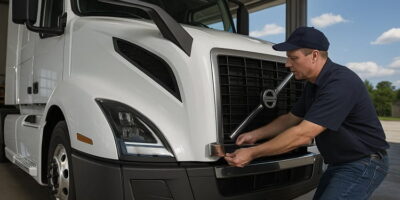
Regular maintenance is essential for keeping trucks operating safely and efficiently. Preventive maintenance helps identify potential problems before they become costly repairs. Routine inspections typically include checking brakes, tires, suspension systems, engine components, and fluid levels.
A well-maintained truck experiences fewer breakdowns, consumes less fuel, and delivers better overall performance. Fleet operators understand that maintenance is not an expense but an investment in reliability and long-term profitability.
Interestingly, businesses in various industries share similar priorities when it comes to equipment maintenance. For example, companies such as Pilgrim heat and air tulsa emphasize regular servicing and preventive care to ensure HVAC systems operate efficiently throughout the year. Just as HVAC equipment requires professional maintenance, trucks also benefit from consistent inspections and expert servicing.
Truck Safety Best Practices
Safety remains one of the most important aspects of truck operations. Drivers must follow traffic regulations, conduct pre-trip inspections, and remain alert while on the road. Proper training and ongoing education help truck operators handle challenging driving conditions and emergency situations effectively.
Fleet managers also play an important role in maintaining safety standards. They monitor vehicle performance, schedule maintenance, and ensure compliance with industry regulations. Technology such as telematics systems provides valuable insights that help improve driver behavior and reduce operational risks.
The Future of the Trucking Industry
The trucking industry continues to evolve as technology advances. Autonomous driving systems, electric powertrains, and smart fleet management solutions are reshaping transportation. These innovations promise greater efficiency, lower operating costs, and improved sustainability.
Despite these technological changes, trucks will remain essential to global commerce. Businesses and consumers alike depend on reliable transportation networks to keep products moving and economies growing. As demand for faster and more efficient delivery services increases, the trucking industry will continue to play a vital role in supporting economic development.
Conclusion
Trucks are indispensable to modern transportation and logistics. They connect businesses, support economic growth, and ensure that essential products reach their destinations on time. Through proper maintenance, advanced technology, and strong safety practices, the trucking industry continues to adapt to changing demands while delivering reliable performance. Whether transporting goods across the country or supporting local businesses, trucks remain a driving force behind today’s global economy.




Comments