
 By
By The automotive industry has undergone a remarkable transformation over the past decade. Modern vehicles are no longer just machines for transportation; they are sophisticated systems equipped with advanced safety features, connectivity, and fuel-efficient technologies. At the same time, owning and maintaining a vehicle has become a significant financial responsibility for individuals and families. This is where Tulsa financial planning can play an important role in helping drivers make informed decisions about auto ownership and long-term financial stability.
The Modern Auto Industry: More Than Transportation
Today’s automobiles are designed with a strong focus on safety, efficiency, and convenience. Features such as adaptive cruise control, lane-keeping assistance, and hybrid or electric powertrains have become increasingly common. These innovations improve driving experiences while reducing fuel consumption and environmental impact.
The shift toward electric vehicles (EVs) is especially notable. Automakers are investing heavily in battery technology and charging infrastructure, making EVs more accessible to everyday consumers. Alongside this trend, connected car technology allows drivers to monitor vehicle performance, schedule maintenance, and navigate more efficiently through smartphone integration.
However, these advancements also come with higher purchase prices and maintenance considerations. Buyers must evaluate not only the sticker price but also insurance, depreciation, charging or fuel costs, and long-term reliability.
Why Auto Ownership Requires Financial Planning
A vehicle is often one of the largest purchases a household makes after buying a home. Without a clear financial strategy, auto expenses can strain monthly budgets and reduce savings potential. Effective planning helps individuals balance transportation needs with broader financial goals such as retirement savings, emergency funds, and debt management.
Tulsa financial planning professionals often recommend evaluating total ownership costs before purchasing a vehicle. This includes:
- Purchase price and financing
Monthly loan payments should fit comfortably within a household budget. - Insurance premiums
Rates vary based on vehicle type, driver history, and coverage levels. - Fuel or charging expenses
Fuel-efficient and electric vehicles can reduce long-term operating costs. - Maintenance and repairs
Regular servicing prevents costly breakdowns and extends vehicle lifespan. - Depreciation
Vehicles lose value over time, affecting resale or trade-in value.
By considering these factors, buyers can choose a vehicle that aligns with both lifestyle needs and financial capacity.
Smart Financing Strategies for Auto Purchases
Financing is a critical part of most vehicle purchases. While low monthly payments may seem attractive, longer loan terms can increase the total amount paid over time. Financial experts generally advise keeping auto loan terms as short as reasonably possible while maintaining affordable payments.
A strong down payment can significantly reduce financing costs. Putting 20% or more down lowers the loan balance, decreases interest expenses, and helps avoid negative equity. Comparing loan offers from banks, credit unions, and dealerships is also essential to secure competitive interest rates.
Tulsa financial planning advisors often encourage clients to review their credit scores before applying for auto financing. A higher credit score can lead to better loan terms and lower monthly payments, saving money over the life of the loan.
The Role of Maintenance in Protecting Your Investment
Routine maintenance is one of the most effective ways to protect a vehicle’s value and reliability. Oil changes, tire rotations, brake inspections, and fluid checks help prevent major mechanical issues and improve fuel efficiency.
Keeping detailed maintenance records can also increase resale value. Buyers are more likely to trust a used vehicle that has been consistently serviced according to manufacturer recommendations.
For households managing multiple financial priorities, budgeting for maintenance is just as important as budgeting for fuel or insurance. Setting aside a small amount each month for future repairs can prevent unexpected expenses from disrupting overall financial plans.
Balancing Auto Choices with Long-Term Financial Goals
Choosing the right vehicle is not only about style or performance; it is about aligning transportation decisions with long-term financial objectives. A luxury vehicle with high payments and maintenance costs may limit the ability to save for retirement or build an emergency fund. Conversely, a reliable and efficient vehicle can free up cash flow for other priorities.
This balanced approach is a cornerstone of Tulsa financial planning. Financial planners help clients evaluate trade-offs and make decisions that support both immediate needs and future security.
Conclusion
The auto industry continues to evolve with exciting technological advancements, but vehicle ownership remains a major financial commitment. From financing and insurance to maintenance and depreciation, every decision affects long-term financial health.
By combining smart automotive choices with thoughtful Tulsa financial planning, drivers can enjoy the benefits of modern transportation while maintaining financial stability and working toward their broader life goals.
I prefer this response
ChatGPT
Response 2
The Importance of Auto Maintenance and Smart Vehicle Ownership

Owning a vehicle is more than just a convenience; it is a long-term investment that requires regular care and informed decision-making. Proper auto maintenance improves safety, extends vehicle lifespan, and helps drivers avoid expensive repairs. In today’s economy, smart vehicle ownership also plays an important role in personal budgeting and overall financial stability.
Many drivers focus only on fuel costs and insurance, but the true cost of ownership includes maintenance, depreciation, registration fees, and unexpected repairs. Understanding these factors can help vehicle owners make smarter choices about buying, maintaining, and replacing their cars.
Why Regular Auto Maintenance Matters
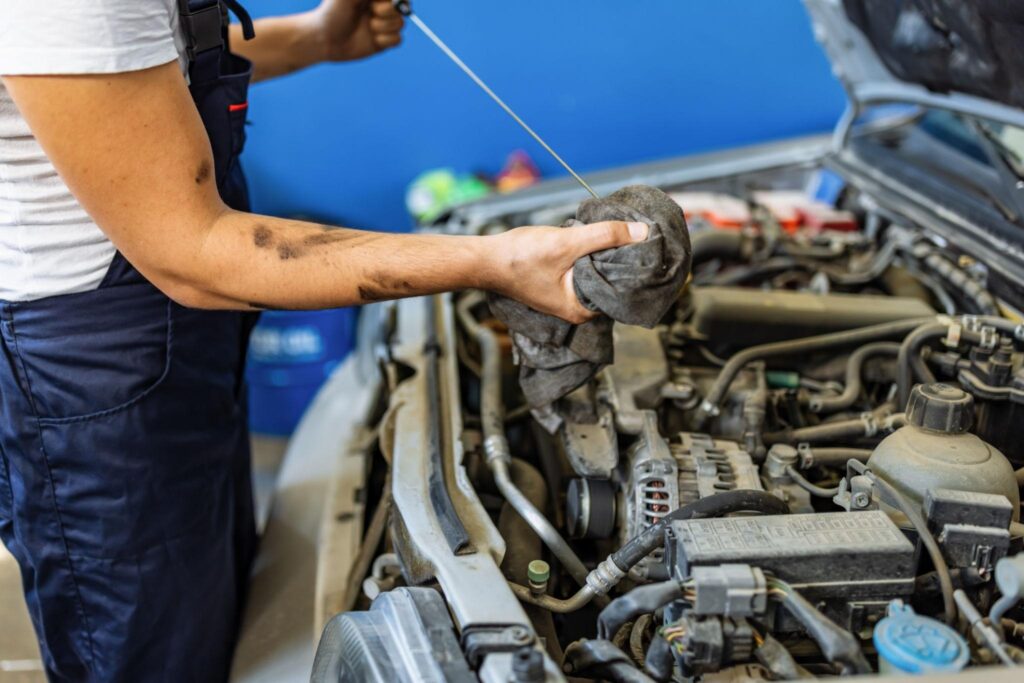
Routine maintenance is essential for keeping a vehicle reliable and efficient. Simple services such as oil changes, tire rotations, brake inspections, and fluid checks can prevent minor issues from becoming major mechanical failures.
A well-maintained vehicle offers several benefits:
- Improved safety: properly functioning brakes, tires, and lights reduce accident risks.
- Better fuel efficiency: clean filters, properly inflated tires, and tuned engines help maximize mileage.
- Longer vehicle lifespan: consistent maintenance reduces wear and tear on critical components.
- Higher resale value: service records and good condition make a vehicle more attractive to buyers.
Ignoring maintenance may save money temporarily, but it often leads to costly repairs later. For example, failing to replace worn brake pads can damage rotors and increase repair expenses significantly.
Essential Auto Maintenance Tasks
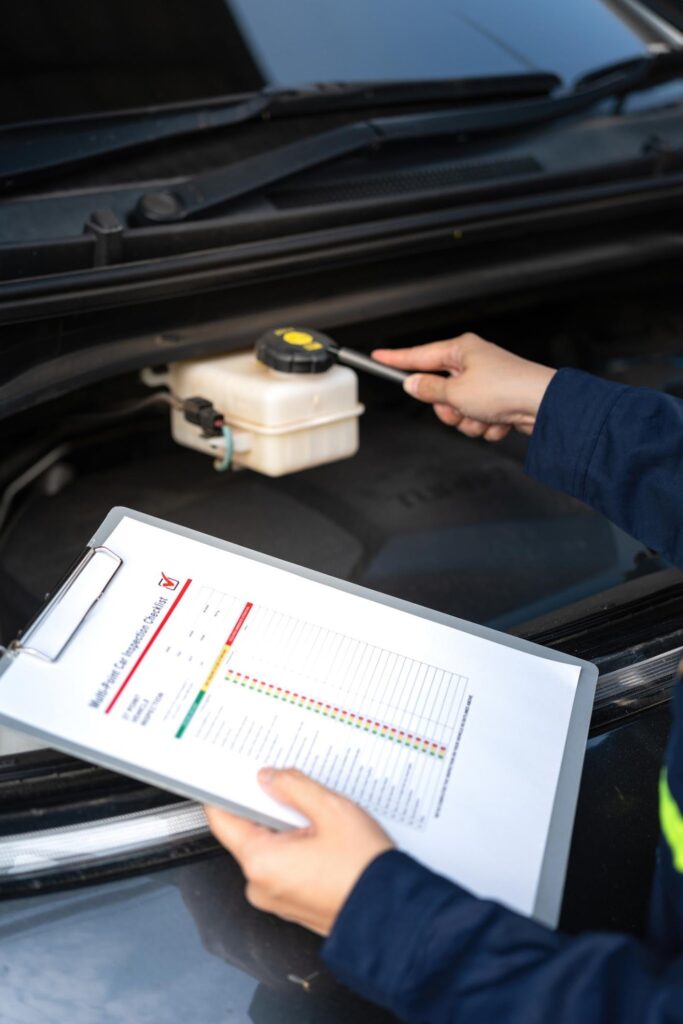
Drivers should follow the maintenance schedule recommended in their owner’s manual. Key tasks include:
| Maintenance Task | Recommended Frequency |
| Oil and filter change | Every 5,000-7,500 miles |
| Tire rotation | Every 5,000-7,500 miles |
| Brake inspection | At least once a year |
| Battery check | Every 6 months |
| Coolant and fluid inspection | Every 6 months |
| Windshield wiper replacement | As needed, typically annually |
Staying consistent with these services helps prevent breakdowns and keeps the vehicle performing at its best.
Smart Auto Buying Decisions

Choosing the right vehicle is just as important as maintaining it. Buyers should consider:
- Total cost of ownership: fuel economy, insurance rates, maintenance costs, and depreciation.
- Reliability ratings: vehicles with strong reliability records often require fewer repairs.
- Resale value: some models retain value better than others, reducing long-term costs.
- Intended use: city commuting, family travel, towing, or off-road driving may require different vehicle types.
Buying a car based solely on appearance or monthly payment can lead to financial strain. A practical approach helps ensure the vehicle fits both lifestyle needs and budget goals.
Auto Ownership and Financial Planning

Vehicle expenses can have a major impact on personal finances. Fuel, insurance, repairs, and loan payments add up quickly, making it important to include transportation costs in a broader budgeting strategy.
This is where Tulsa financial planning becomes especially relevant for local residents. Financial planners often help individuals create realistic budgets that account for vehicle ownership costs while balancing savings, debt management, and long-term goals. By planning ahead for maintenance and emergency repairs, drivers can avoid relying on high-interest debt when unexpected expenses arise.
A good financial plan may include:
- setting aside a monthly maintenance fund
- budgeting for insurance and registration renewals
- planning for future vehicle replacement
- evaluating whether leasing or buying is more cost-effective
Integrating auto expenses into a comprehensive financial strategy helps drivers maintain both reliable transportation and financial stability.
When to Repair vs. Replace Your Vehicle
Every vehicle eventually reaches a point where replacement may be more practical than continued repairs. Consider replacement when:
- repair costs exceed the vehicle’s value
- breakdowns become frequent
- safety or reliability is compromised
- fuel efficiency is significantly lower than newer alternatives
However, replacing a car too early can also be costly. A well-maintained vehicle that meets your needs may still provide years of dependable service. Comparing repair costs with the expense of purchasing a newer vehicle helps determine the best financial decision.
Conclusion
Auto ownership is a major responsibility that extends beyond driving from one place to another. Regular maintenance improves safety, reliability, and resale value, while smart buying decisions help control long-term costs. By incorporating vehicle expenses into a broader budgeting strategy, drivers can protect both their transportation needs and their financial health.
For many residents, Tulsa financial planning can provide valuable guidance in balancing auto costs with savings and other financial priorities. With the right approach, vehicle ownership can remain both practical and financially manageable.







Comments